The Third Pillar of Islam: A Path to Growth
Published on
1/15/2025
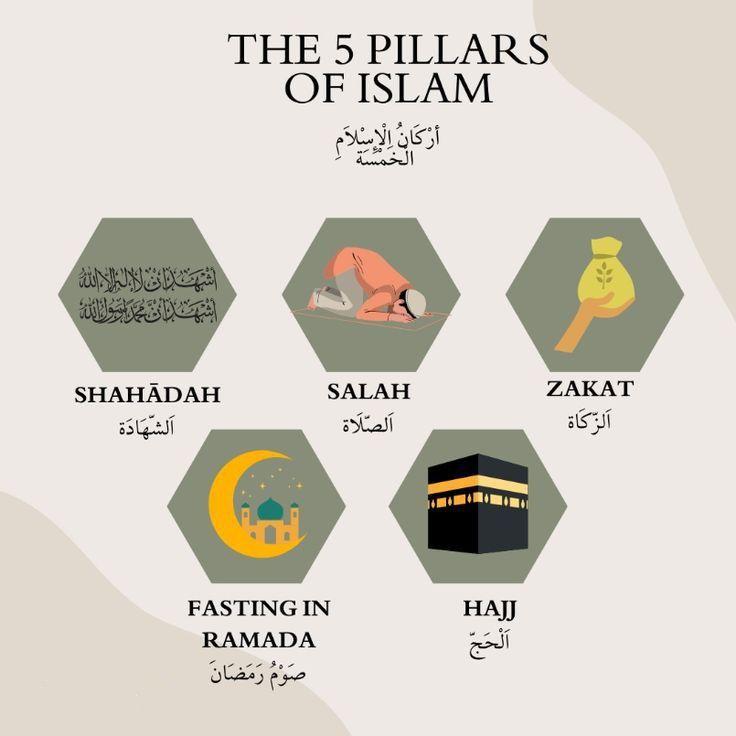
The Five Pillars of Islam are the five main principles that religion of peace and submission to the will of God are built upon. The pillars that are guiding people through their daily lives are the sinks of Islamic faith, though the faith would be quite strong all the time.
On the other hand, sadaqah, which is the third pillar of Islam, occupies a particular place among these pillars. It becomes the same thing, merely a religious obligation and a very strong force for social and individual development.
Sadaqah, which means ‘charity’, includes all the various forms of giving, from the acts of compassion and the voluntary contributions as well. It underlines the ethos of empathy, compassion, and socio-political responsibility as an important part of Islamic theology. This act of giving does not only involve philanthropy but is also directly related to the individual’s spiritual health.
The Essence of Giving:
Sadaqah is just an expression of gratefulness as well as a recognition of God’s favour. Muslims believe that, as everything is finally a present from God, it is a religious duty to help the underprivileged to share these blessings.
“Before death comes to any of you, spend what We have given you,” he adds. “My Lord! I will donate to charity and join the good people if You would just grant me a little rest.” (Quran 63:10)
The verse also points out that being generous is one of the things that can lead one to the right path, and it is also a way of purifying the soul; in fact, it can make you attain righteousness easier.
Above Giving Materially:
Material aid aside, the sadaqah concept should be understood from a broader perspective than the one just outlined. Sadaqah, in fact, covers all the activities of love and care, such as paying visits to the sick, giving food to the hungry, or even assisting the elderly and the disabled.
“A smile for your brother is Sadaqah.” (Hadith)
The power of Sadaqah is well demonstrated by this prophetic message. through a small act of kindness. It may be as trivial as having lent a hand or uttering a comforting word, being able to make a significant difference in someone else’s life, and at the same time your spiritual development is achieved.
Giving’s Transformative Power:
Sadaqah, which is the third pillar of Islam, may change society and also the person enormously. It instills the doer with modesty, gratitude, empathy, and looking beyond himself. Indeed, the appreciation of the interconnectedness of humanity and the stronger sense of compassion are characterised by people’s acknowledgement and sharing of their blessings.
Sadaqah is also inclined to vivify selflessness and relieve one from the attachment to material things. It motivates people to prioritise other individuals’ needs and thus feel the joy of giving. A life that is based on values other than the accumulation of wealth may become richer and more rewarding as a result of this shift in perspective.
Impact on Society:
Furthermore, Sadaqah, besides being the third pillar of Islam, is the social factor that causes fairness and justice to prevail and constitutes the aforementioned greater whole. This is only possible through the provision of basic needs like food, clothing, and health care to those who are vulnerable and marginalised. Thus, people would be inclined to show compassion, cooperate, and strive for a better common good by having a strong community and solidarity.
Sadaqah also binds the Muslim community together, promotes social cohesion, and helps to strengthen our bonds. Muslims foster a sense of shared responsibility and strive to improve society overall by lending one another assistance and sharing resources.
Developing The Giving Spirit:
It takes a lifetime to develop the giving spirit. Prioritising the needs of others, cultivating thankfulness, and growing empathy all need deliberate effort. The following are some useful strategies for integrating sadaqah into day-to-day activities:
- Planned Giving: Donate a certain percentage of your income to valuable charities or social change organisations.
- Zakat: Give a certain portion of your wealth to the poor in order to fulfil the obligatory charity (Zakat).
- Volunteer Work: Allocate your time and strength for serving the non-profit organisations.
- Acts of Kindness: Be a part of tiny deeds of kindness like smiling at a passerby, telling the truth to a friend, or helping the elderly with their shopping.
- Teach Children about Giving: From an early age, teach kids the importance of giving.
Sadaqah, the third pillar of Islam, is an instrument of both individual and social development where it is not a matter of religious dutifulness alone, but this is the way which we can easily attain it.
Our spiritual life, as well as our relationships with others, develop a lot by our practicing generosity and loving kindness. By the means of our generosity and our loving behaviour, a more compassionate, just, and equal world can be created by us.
Conclusion
In summary, sadaqah, the third pillar of Islam, is a fundamental component of Islamic doctrine and a potent force for social and individual change. It develops into a deep spiritual practice that fosters empathy, compassion, and a sense of connectivity with mankind, going beyond simple religious duty.
In addition to carrying out our religious obligations, we may improve society and create a more compassionate, just, and equitable world by adopting the giving spirit.
LATEST POST