Zakat in Islam: The Foundation of Faith
Published on
9/23/2024

Zakat, one of the Five Pillars of Islam, is a mandatory act of charity that Muslims perform annually. It is a pillar of the Islamic faith, signifying the importance of social justice and the oneness of God. This article delves into the concept of Zakat, its significance, and the practical aspects of fulfilling this religious obligation.
Understanding Zakat in Islam
Derived from the Arabic word “zakāh,” which means “purification,” zakat is a type of donating in which a person donates a certain amount of their wealth to those who are less fortunate. It is considered a religious duty, and failure to perform Zakat is considered a sin. The Quran and the Sunnah (teachings and practices of Prophet Muhammad) emphasise the importance of Zakat, highlighting its spiritual and social benefits.
The Significance of Zakat in Islam
Zakat holds profound significance in Islam for several reasons:
- Purification of Wealth: Zakat is believed to purify one’s wealth, removing any negative energy or ill-gotten gains. It is seen as a way to cleanse one’s possessions and ensure that they are used for righteous purposes.
- Social Justice: Zakat plays a crucial role in promoting social justice and equality. By redistributing wealth to those in need, it helps to bridge the gap between the rich and the poor, creating a more equitable society.
- Strengthening Community Bonds: Zakat fosters a sense of community and solidarity among Muslims. It encourages individuals to connect with their fellow believers and contribute to the well-being of the community.
- Spiritual Reward: Performing Zakat is considered an act of worship that brings spiritual rewards. It is believed to draw closer to God and increase one’s chances of salvation.
Eligibility Criteria for Zakat
Not all Muslims are required to pay Zakat Islam. Some requirements must be fulfilled in order to be qualified:
- Muslim: Paying zakat is required by only Muslims.
- Nifas: The individual must possess wealth that exceeds the nisab, which is a minimum threshold. The nisab varies depending on the type of wealth (e.g., gold, silver, livestock) but is typically equivalent to the value of a certain quantity of gold or silver.
- Haul: The wealth must have been owned for a complete lunar year.
Calculation of Zakat in Islam
The amount of Zakat to be paid is calculated as a percentage of one’s net wealth. The standard rate is 2.5% of the total value of eligible assets. However, the specific calculation can vary depending on the type of wealth and local customs.
Eligible Recipients of Zakat
A wide range of qualified recipients are eligible to receive zakat, including:
- The Poor: people who can’t take care of their basic necessities.
- The Needy: Those who are struggling financially but can meet their basic needs.
- Debtors: those who can’t afford to settle their financial debts.
- Captives: Those who are enslaved or imprisoned.
- Wayfarers: Those who are travelling and are in need of assistance.
- In the Cause of Allah: Those who are working to spread Islam or support Islamic causes.
Performing Zakat
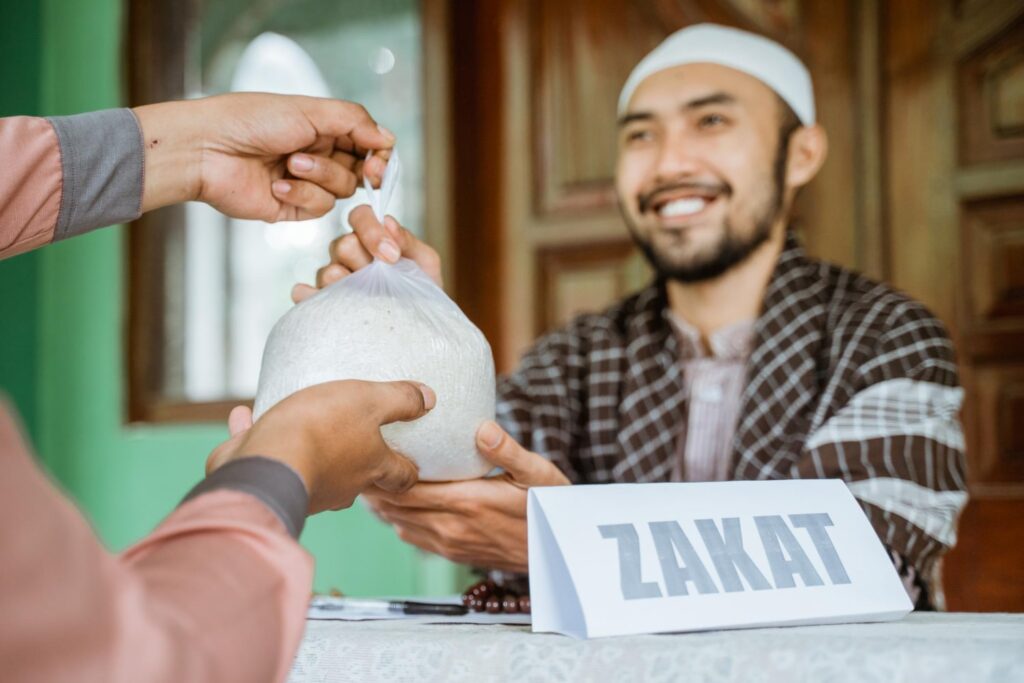
Zakat in Islam can be paid at any time during the year, but it is often performed during the month of Ramadan or before the Eid al-Fitr festival. The Zakat can be given directly to eligible individuals or through trusted charities.
Benefits of Performing Zakat
Performing Zakat in Islam offers numerous benefits, both spiritually and socially. Some of the key benefits include:
- Purification of the Soul: Zakat is believed to purify the soul and remove sins.
- Increased Blessings: Giving to charity is often associated with an increase in blessings and prosperity.
- Strengthening Faith: Zakat can strengthen one’s faith in God and deepen one’s connection to the Islamic community.
- Social Impact: Zakat can have a significant impact on the lives of those in need, helping to alleviate poverty and suffering.
Conclusion
Zakat is a fundamental pillar of Islam, embodying the values of compassion, generosity, and social justice. It is a religious obligation that benefits both the giver and the receiver. By understanding the significance of Zakat and fulfilling this duty, Muslims can contribute to a more equitable and compassionate society.
LATEST POST